

Summer Before College Applications: Guide for Rising Seniors

Updated: May 14
A Strategic Guide for Rising Seniors and Their Families

If your student is finishing 11th grade, this is the most important summer before college applications begin.
It is the last extended period of time before senior year starts—and before college applications take over.
The summer before senior year college applications is the most important period for planning essays, testing, and school strategy.
What students accomplish during this summer often determines whether fall feels organized and manageable, or rushed and overwhelming.
Many families know this summer matters.
What they are less certain about is what to prioritize—and in what order.
The goal isn't to do more—it's to do the right things, consistently and strategically.
What Progress Should Look Like by August
A strong summer doesn't require a packed schedule—just clear progress in a few essential areas.
By the end of August, students should ideally have:
☐ A clear SAT or ACT decision
☐ A balanced college list
☐ A working draft of the personal statement
☐ At least one meaningful activity in progress
☐ A recommendation plan
☐ A confirmed senior-year schedule
☐ A basic application timeline
Students who reach this point enter senior year ready to refine and execute.Those who delay often spend fall trying to build everything at once.
1. Finalize the SAT or ACT Plan
Testing should be a decision—not an ongoing question.
Some students will still benefit from submitting scores. Others may apply test-optional. Either way, every family should reach that conclusion based on real numbers, not guesswork.
This summer is the right time to:
☐ Evaluate current scores honestly
☐ Compare scores with target colleges
☐ Decide whether one final test is worthwhile
☐ Focus on specific weak areas if improvement is needed
☐ Stop testing if scores are already competitive
Leaving testing decisions until fall often creates unnecessary pressure.A clear plan allows students to shift focus to essays and applications at the right time.
Parents can help by keeping the plan realistic and consistent each week.
2. Build a Real College List
Many students begin with a list of college names.The goal is to turn that into a structured, realistic list.
A strong college list is balanced, realistic, and personal.
Each school should be selected with intention.
Start with 10 to 15 schools sorted into reach, target, and likely categories.
Then go deeper:
Does this school have the intended major, and is it strong?
Can the family afford it?
Does the student like the setting, size, and campus culture?
Are the admission chances realistic?
Would the student actually be happy there?
A rough list built this summer makes everything easier later, including supplemental essays and application planning.
Students write better when they know where they are applying and why.
3. Start Essays Early
College application essays require more time than most students expect.
Starting in the summer allows room for reflection, drafting, and revision.
A practical approach:
June — Brainstorm stories, experiences, and themes
July — Draft your main essays
August — Revise structure, voice, and clarity
The goal isn't perfection—it's steady progress and thoughtful revision.
Strong essays aren't usually written in one sitting; they develop through revision.
4. Use Summer Activities with Purpose
Colleges are not looking for the busiest students.
They are looking for students with direction and initiative.
One meaningful commitment is often more valuable than several superficial ones.
Strong summer options include:
A research or independent project
A part-time job
An internship
Volunteer leadership
A self-driven project tied to an academic interest
What matters most is ownership.
For example, a student interested in environmental science might track local data and turn it into a research-based report.
A focused project like this can become a strong part of the application narrative.
Depth and consistency matter more than quantity.
5. Prepare Recommendation Strategy in Advance
Recommendation letters are strongest when they reflect real relationships.
Before senior year begins, students should:
☐ Identify teachers who know them well
☐ Maintain strong engagement through the end of junior year
☐ Prepare a résumé or activity summary
☐ Plan how and when to request recommendations
Detailed, personal recommendations are stronger than famous names or difficult classes alone.
Early preparation leads to more meaningful letters.
A Simple Plan for the Summer Before Senior Year College Applications
If your family wants a clear structure, this works well for most students when followed consistently.
June | July | August |
|
|
|
By August, students should be ready to begin applications—not still figuring out the basics.
Common Mistakes to Avoid
Many families create unnecessary stress by:
Retesting without a clear strategy
Waiting until fall to start essays
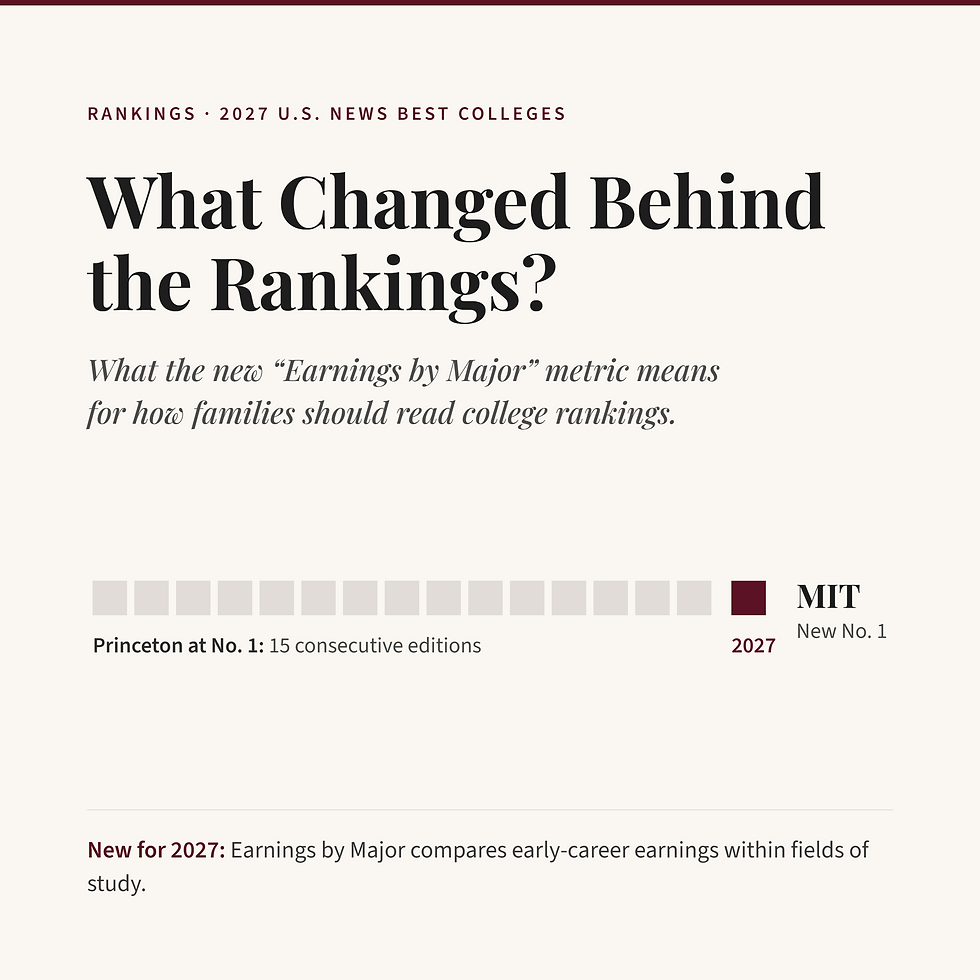
Building a list based only on rankings
Choosing activities for appearance rather than substance
Delaying recommendation planning
Students who succeed aren't the busiest—they're the most intentional.
Ready to Get Organized?
Families don't need to complete everything perfectly, but they do need a clear plan.
If your student is entering senior year, now is the time to get organized before applications begin.
Most families don't need more information—they need a clear plan and the right guidance to execute it.
Meet the Prestige Institute Admissions Team.


Comments